The format in one line
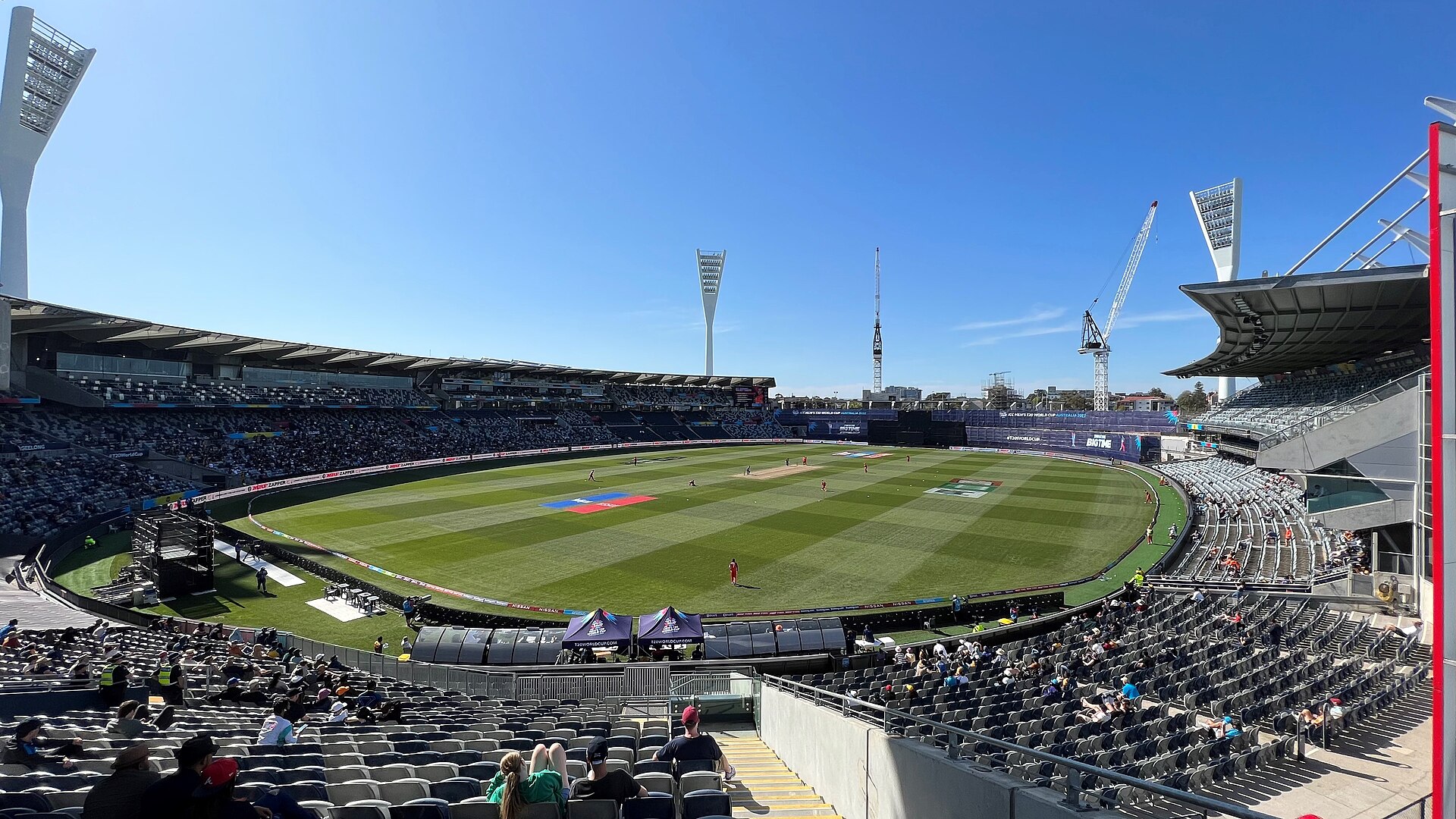
Fifty overs a side, usually with two powerplays and a minimum overs requirement for the result. The match lasts most of a day, so the book has to survive a long afternoon.
Checks that keep the book honest
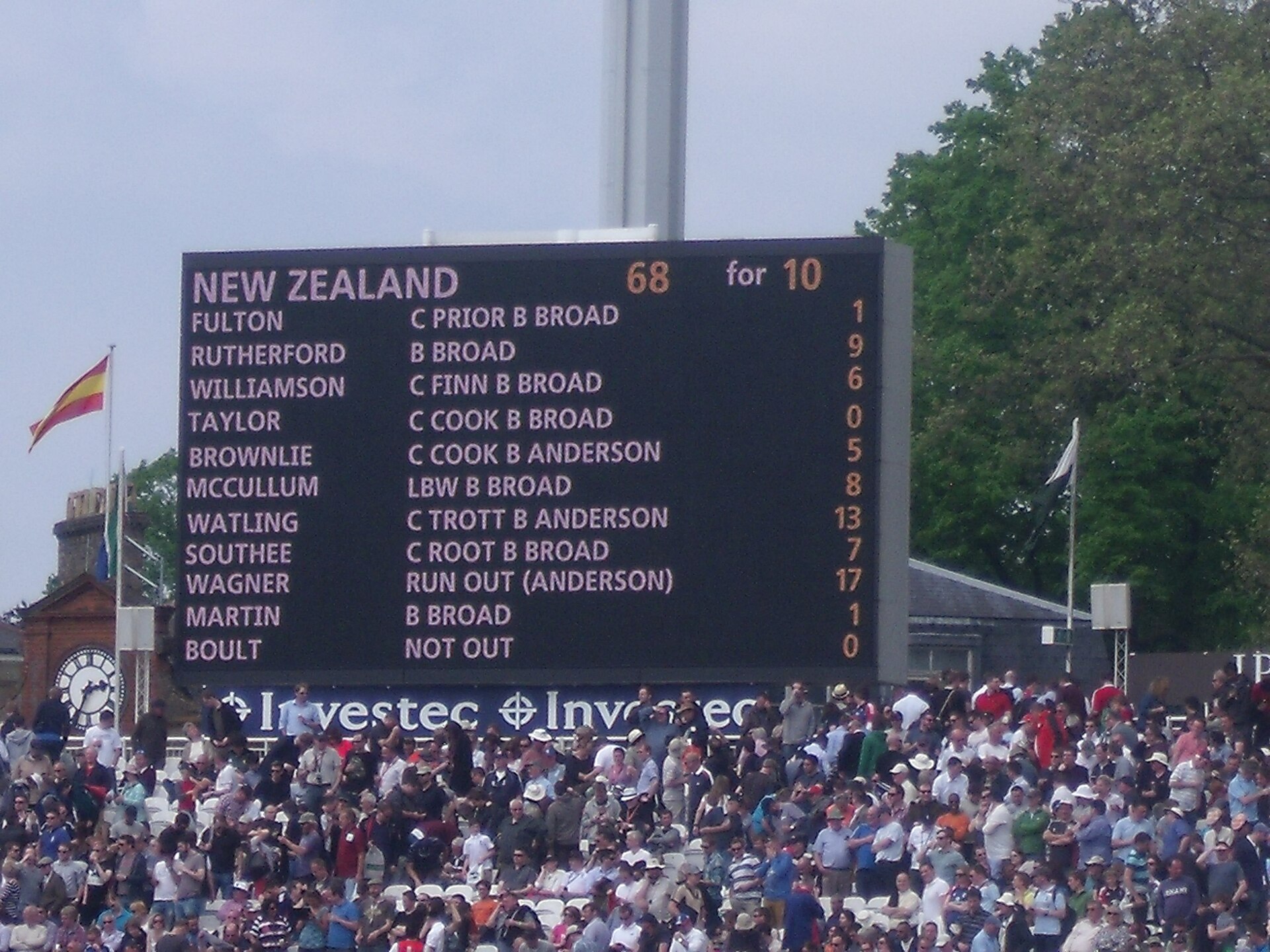
- Every ten overs, check the batters' scores plus extras against the total.
- At each change of bowler, check the bowling analysis for the last spell.
- At drinks, freeze the book and confirm the wickets, the overs and the run rate before play restarts.
Powerplays and restrictions
50-over cricket has mandatory powerplays and sometimes a batting powerplay. Each one changes the field and the scoring rate, so mark the overs clearly. See the powerplay guide for the detail.
DLS and rain
Rain is common in a long match. If the innings is cut short, the DLS target depends on wickets and overs. Record the stoppage time and the overs remaining, as covered in the DLS guide.
Spare equipment
Keep a spare pencil and a spare scorer if the league requires two. A dead battery on a phone can cost a full innings of data if nobody is writing it down.
Super overs and results
A tied 50-over match is rare, but the competition's tie rule applies. Check the playing conditions before the toss.
Common mistakes
- Waiting until the end of the innings to check the total.
- Losing track of which bowler bowled the last over of a spell.
- Not writing the run rate at the start of each powerplay.
Citations
Playing conditions for the competition, and the MCC Laws for the scoring events.
Match questions
Questions scorers actually ask
- 01 How long does a 50-over match take?
- Usually around seven to eight hours with breaks, depending on the rate of play and the interruptions.
- 02 Does every 50-over match have two powerplays?
- Not always. The number and timing depend on the competition and the format.
- 03 How many overs can a bowler bowl?
- Usually ten in a 50-over match, with the exact limit set by the playing conditions.