When it happens
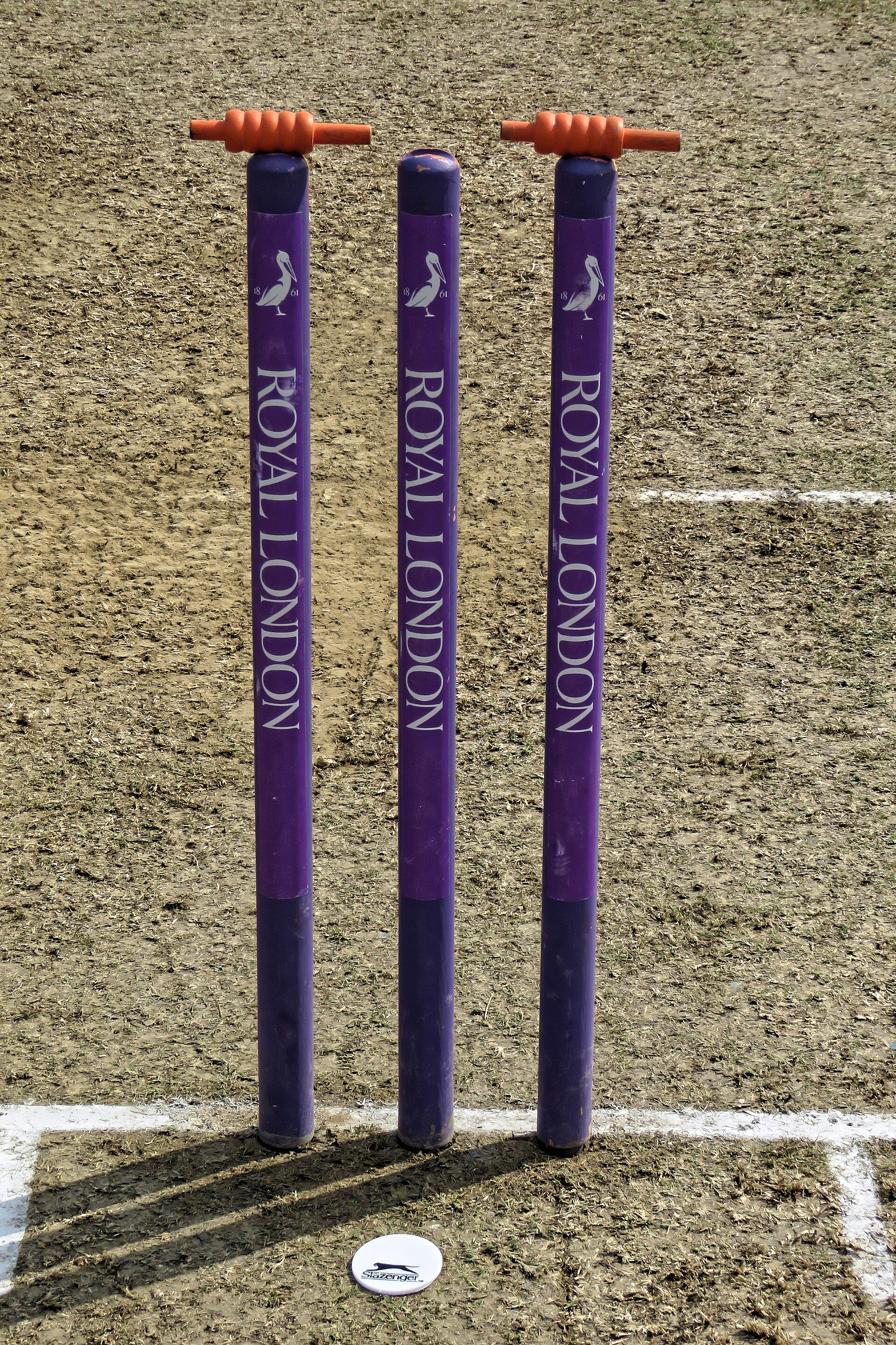
The batter gets into the stroke and their bat or body dislodges a bail, or the batter knocks a bail off while running between the wickets. The batter is out, and the bowler is credited with the wicket.
What the scorer records
- hw [bowler] for hit wicket.
- The bowler's name, because the bowler takes the wicket.
Not a hit wicket
If the batter knocks the bail off without playing a stroke or running, the ball is not in play in the usual way, and the umpire must decide what happened. A batter who touches the stumps while the ball is dead is not out hit wicket. Check the decision with the umpire.
Common mistakes
- Writing "hit wicket" when the batter was stumped in their crease.
- Crediting the wicket-keeper.
- Recording a hit wicket on a ball that was dead before contact.
Citations
MCC Laws of Cricket, the section on hit wicket.
Match questions
Questions scorers actually ask
- 01 Who gets the wicket for a hit wicket?
- The bowler. The batter is out, and the bowler’s analysis is credited.
- 02 Can a batter be out hit wicket off a no-ball or a free hit?
- Free hits and no-balls restrict some dismissals. Check the playing conditions for which ones apply in your format before recording a hit wicket.
- 03 What if the bail falls when the batter turns around?
- Only a bail dislodged by the batter while playing or running counts. The umpire decides.