The formula
NRR = (runs scored ÷ overs faced) − (runs conceded ÷ overs bowled)
Runs are the totals for the whole league, not one match. Overs are the overs faced and bowled across all matches.
The all-out rule
If a side is bowled out in 31.4 of 50, most competition rules count the overs as the full 50 for NRR. Read your league's clause, because some recreational leagues use overs actually bowled. Those two tables cannot be compared, so never mix them in one standings page.
Overs are not decimals
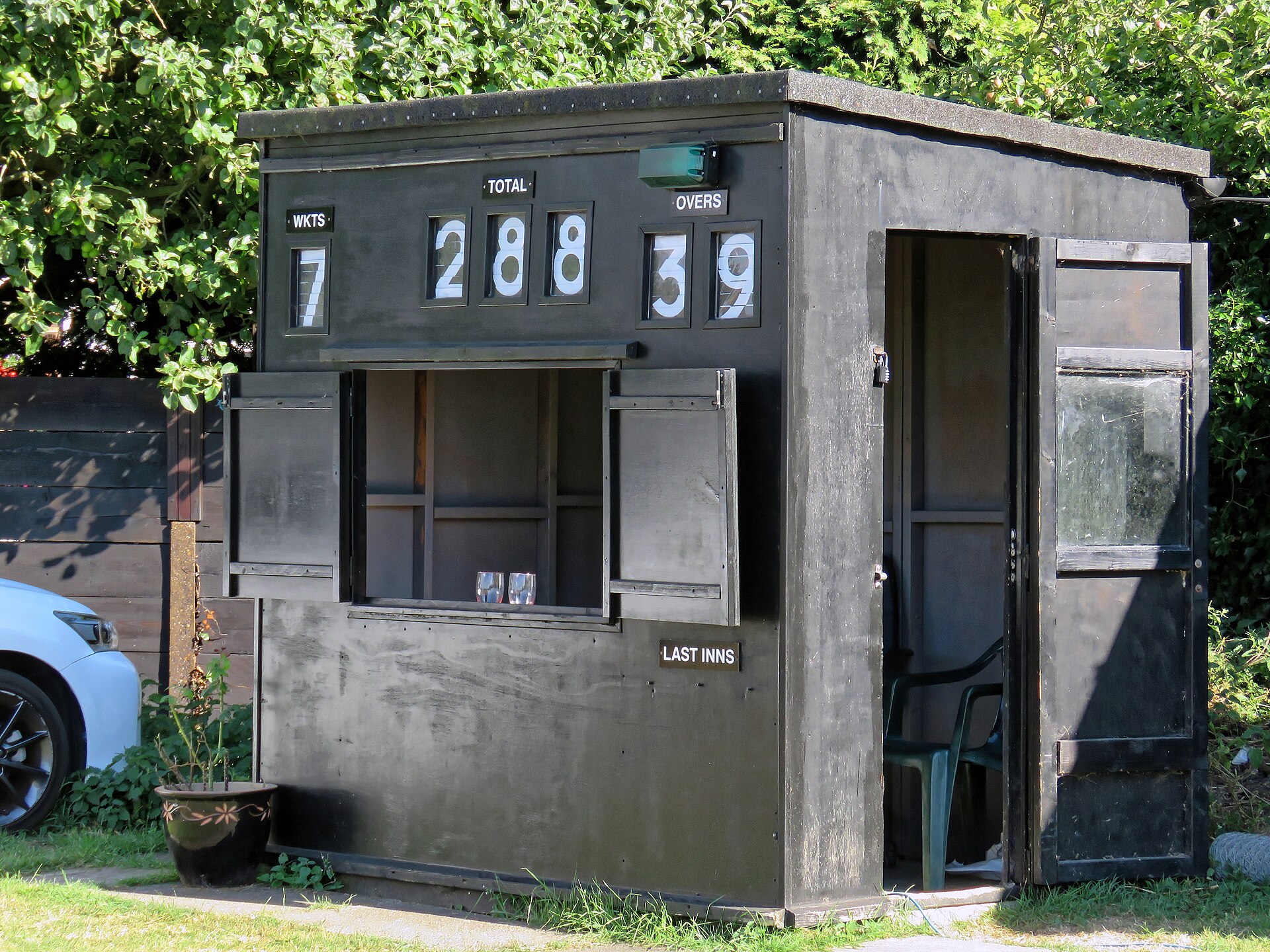
The third ball of the over is half an over, not 4.3 in decimal. 4 overs and 3 balls is 4.5 overs for the calculation. Scorers who type 4.3 into a spreadsheet quietly poison the table, and nobody notices until the title is decided.
A worked example
Team A bats its full 40 overs and scores 200. Team B bats and is bowled out for 150 in 35.2 overs. Under the full-overs rule, Team B is counted as facing 40 overs, so Team A's NRR for this match alone is (200 ÷ 40) − (150 ÷ 40) = 5.00 − 3.75 = +1.25. Team B's figure for the same match is the negative of that. Use the league total, not one match, when you rank teams.
Why NRR matters
It rewards margin, not just wins. A team that wins by 100 runs can finish above a team that wins by one run. That is why the scorer's accuracy in the runs and overs columns decides the table.
Common errors
- Entering overs as 4.3 instead of 4.5.
- Using the wrong rule for all-out sides.
- Forgetting wides and no-balls in the runs conceded. They count as runs conceded.
- Counting a match abandoned without a ball bowled as a match in the NRR.
Citations
Standard definition. Check your league's clause for the all-out rule and any changes to how overs are counted.
Match questions
Questions scorers actually ask
- 01 Is a bigger NRR always better?
- Within one league, yes. It is a ranking number, not a score. Compare teams only on the same overs rule.
- 02 Do wides and no-balls count for NRR?
- Yes. The runs conceded include every run the bowling side gave away, extras included. The overs faced and bowled count legal balls only.
- 03 What if a match is abandoned?
- Check the league rule. Usually an abandoned match with no ball bowled is excluded, and one with part of an innings is counted on the overs actually bowled.