Retired hurt
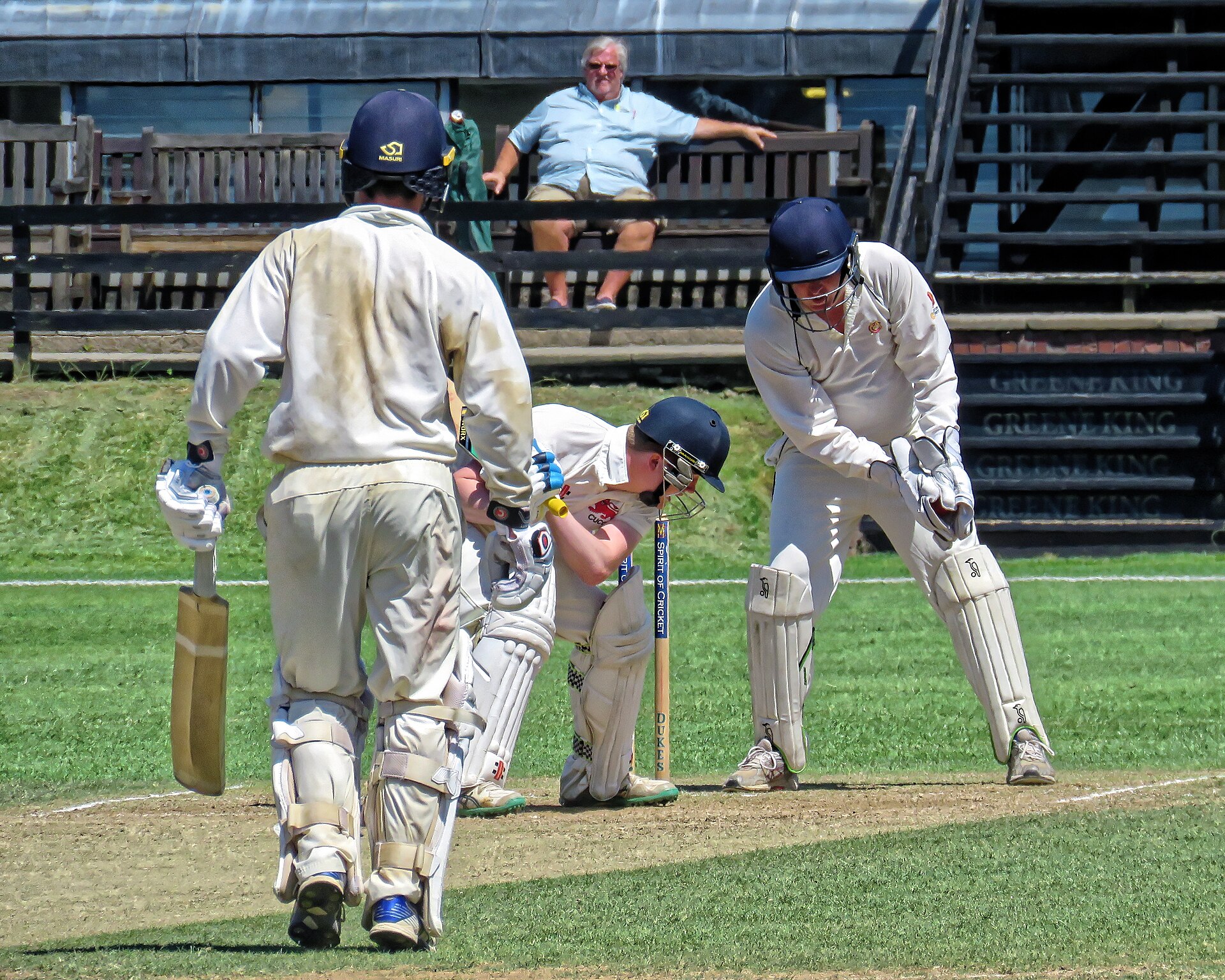
A batter who cannot continue because of injury or illness can retire hurt. That is not a dismissal. The batter may return later, when the captain agrees. The scorer records "retired hurt" and the score at the time.
Retired out
A batter who leaves the field without being injured, or who retires for any reason other than injury, can be retired out. That counts as a dismissal, like a wicket. The scorer records "retired out" and does not credit a bowler.
What the scorer records
- rh for retired hurt, with the score and the time.
- ro (retired) for retired out. It is not a bowler wicket.
- The batter's return, if they come back to bat.
Common mistakes
- Recording a retired hurt as a dismissal, which cuts the team's batting order short.
- Forgetting to note the return of a retired-hurt batter.
- Treating a batter who leaves for a sudden change of plan as retired hurt.
Citations
MCC Laws of Cricket, the section on retired batters.
Match questions
Questions scorers actually ask
- 01 Is a retired hurt batter out?
- No. They are not out, and they can return to bat later.
- 02 Who decides if a batter is retired out?
- The captain of the batting side makes the decision. The scorer records it with the time.
- 03 Does a retired out batter get a bowler credit?
- No. The dismissal has no bowler credit.