
Tool
Required run rate calculator
Required run rate is runs still needed divided by overs still available. 4.3 overs left is 4.5 overs, not 4.3.
If the target is 181 and you are 90 after 10 overs in a 20-over chase, you need 91 from 10 overs: 9.1 an over. The calculator is for that arithmetic, including leftover balls.
FAQ
Questions about this calculator
- 01 How is the required rate worked out?
- Runs still needed divided by overs still available. Balls left are counted as fractions of an over.
- 02 Does the rate include wides and no-balls?
- Yes. The runs needed include every run the chasing side has to score, extras included.
Keep reading
From the cricket library
 Photo: http://picasaweb.com/kroome111, CC BY 3.0BlogWhat the umpires are actually decidingTwo umpires on the field, a third watching replays, and a match referee handling conduct. Each has a defined job, and knowing which one owns a decision explains most of what happens after an appeal.
 Photo: DTurik, CC BY-SA 3.0GlossaryCaughtA batter dismissed when a fielder catches the ball from the bat before it bounces, under the Laws.
 Photo: Acabashi, CC BY-SA 4.0GlossaryRetired outA batter leaves and is treated as dismissed. Rare; write it clearly.
 Photo: Acabashi, CC BY-SA 4.0GuideHow to run a club cricket tournamentA club tournament needs published playing conditions, a fixture that fits the ground, named scorers, and a points rule people can check without a WhatsApp argument.
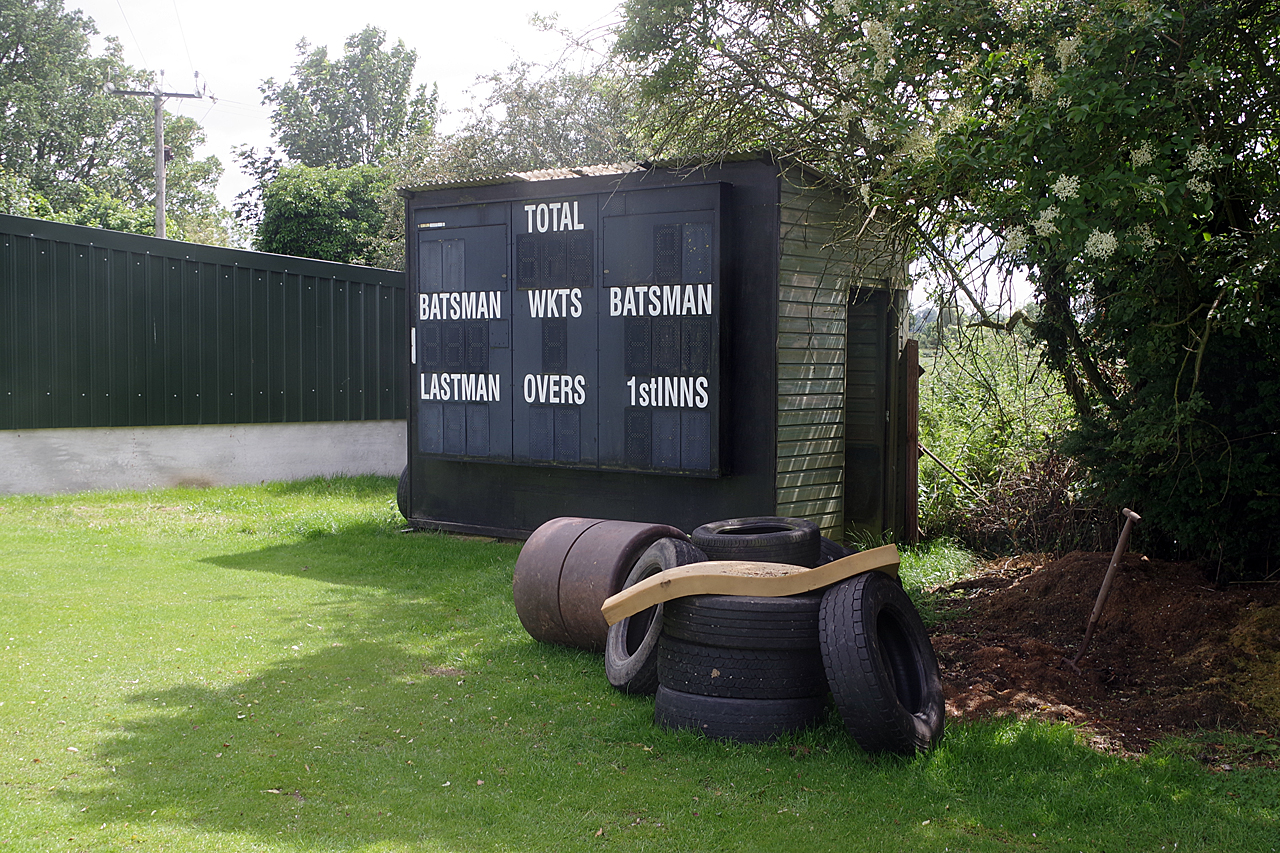 Photo: Stephen McKay, CC BY-SA 2.0GuideFrom paper scorebook to a digital bookA digital scorebook only works if it still behaves like a book: ball order, extras, and a total you can audit. A notes app is not a scorebook.
 Photo: John Sutton, CC BY-SA 2.0BlogHow cricket league points work: wins, ties and no resultsLeague points turn results into a table. A common scheme gives two points for a win, one for a tie or no result, and none for a loss, but every competition sets its own values.