
Tool
Scoring notation reference
A one-page legend for dots, runs, wickets, and extras so two scorers can share a book without a translation layer.
Print this for the scoring tent. House-style differences (how you write a no-ball plus four) should be decided once per club, then reused.
| • | Dot ball |
|---|---|
| 1–3 | Singles and rotated strike |
| 4 / 6 | Boundary, by the bat unless marked otherwise |
| W | Wicket, with the mode beside it |
| wd / nb | Wide / no-ball, plus any runs from the delivery |
| b / lb | Bye / leg-bye |
FAQ
Questions about this calculator
- 01 Is there one correct set of scoring symbols?
- No. Clubs pick a house style. The important thing is to use the same symbols for every match in the competition.
- 02 How do I write a no-ball hit for four?
- Write nb and the four off the bat, or nb+4 in a compact style. Credit the four to the batter and the no-ball run to extras.
Keep reading
From the cricket library
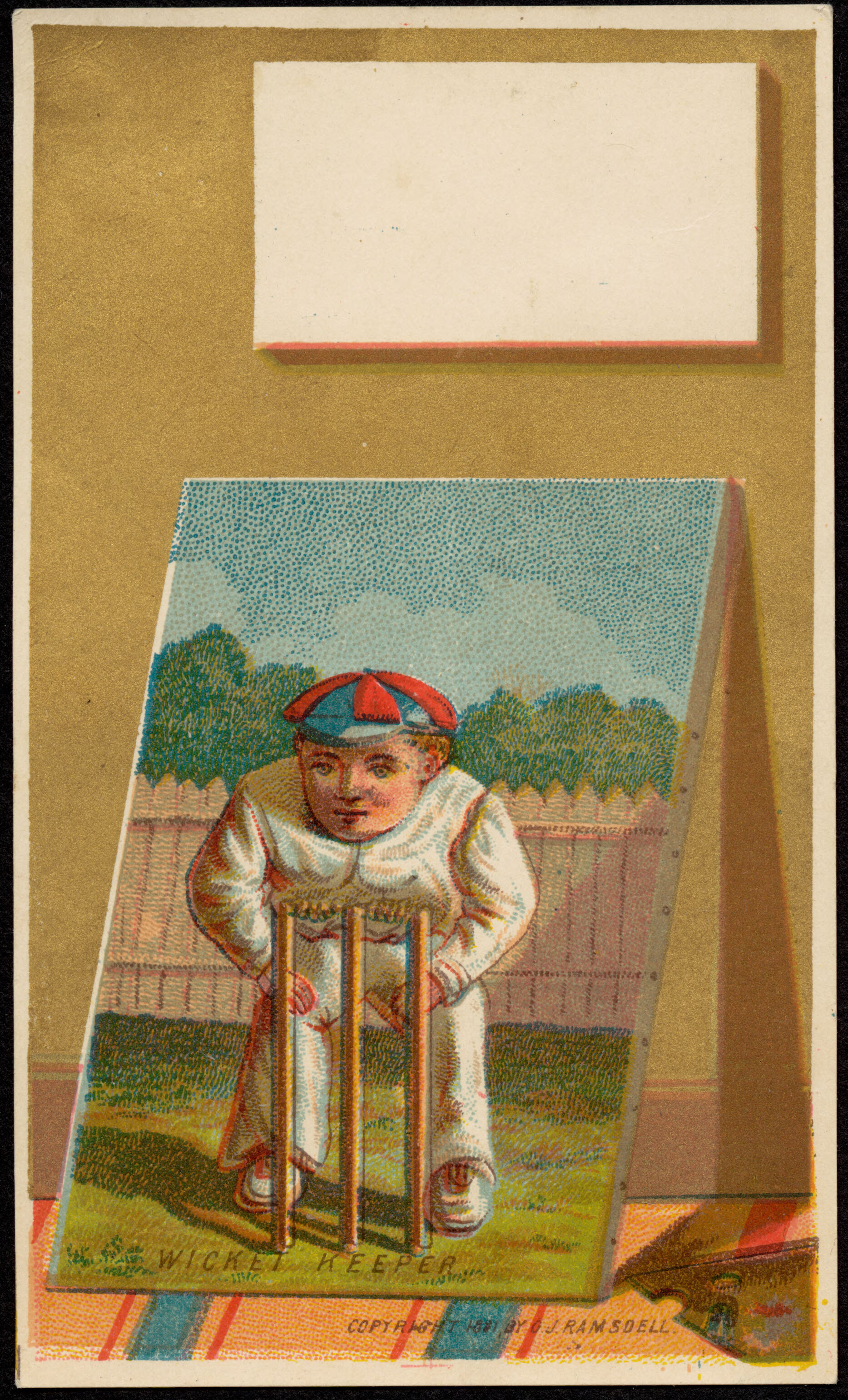 Photo: Wikimedia Commons contributor, Public domainGlossaryWicket-keeperThe fielder behind the stumps who keeps wicket and takes the ball the batter misses.
 Photo: Nav Nirvana, CC BY 2.0BlogTape-ball, gully, and the cricket most people actually playThe overwhelming majority of cricket played on any given day has no scoreboard, no umpire, and no full-size ground. It has its own equipment, its own laws, and it feeds every professional side in the world.
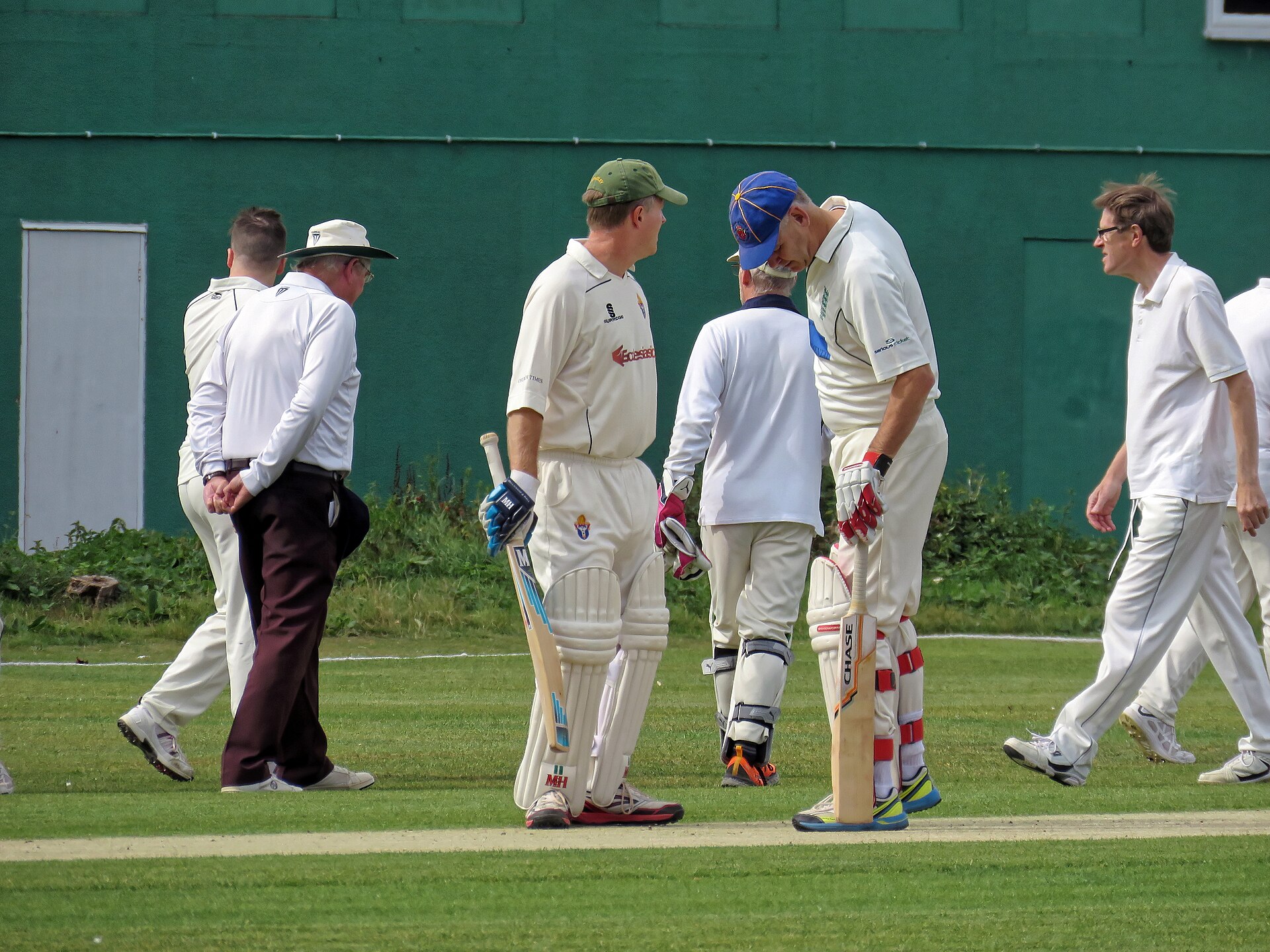 Photo: Acabashi, CC BY-SA 4.0LawSubstitutes and concussion replacementsWhere the playing conditions allow it, a substitute can field for an injured player or replace a concussed batter or bowler. The scorer records who was on and who came off, and why.
 Photo: B. Sandman, CC BY 2.0BlogWatch live cricket scores: how a live link works in CricSportA live link lets anyone follow a match ball by ball without an account. When a scorer publishes a match, its score, overs and last balls appear on a live page that updates as the match goes on.
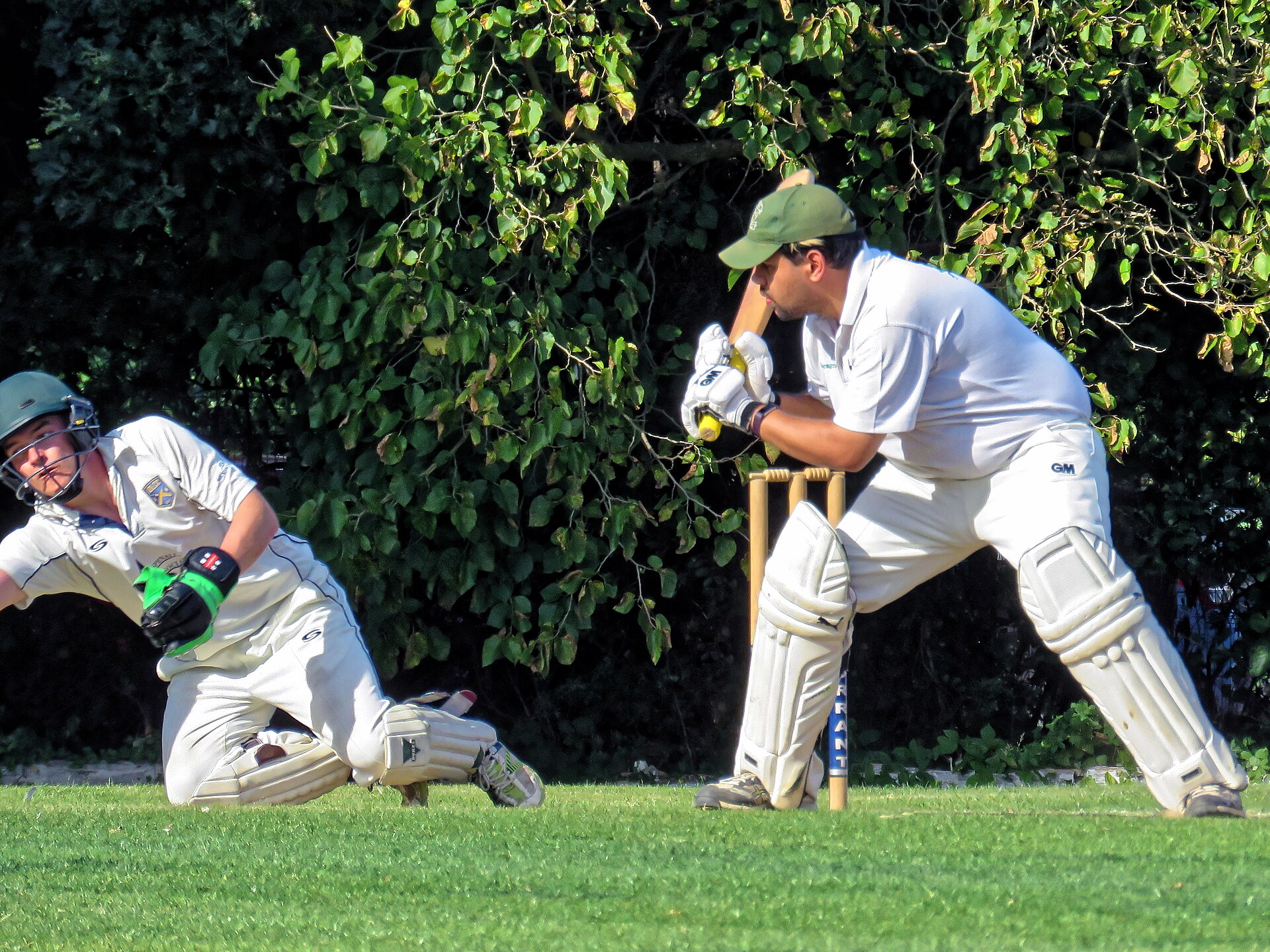 Photo: Acabashi, CC BY-SA 4.0GlossaryWideA delivery judged too wide to score from under the playing conditions. It is an extra and not a legal ball of the over.
 Photo: Brocken Inaglory, CC BY-SA 3.0LawThe dead ballA dead ball is one the umpire has called dead, or that has ended for another reason. Runs and dismissals cannot happen off a dead ball, so the scorer has to know exactly when the ball stopped being in play.