Who decides
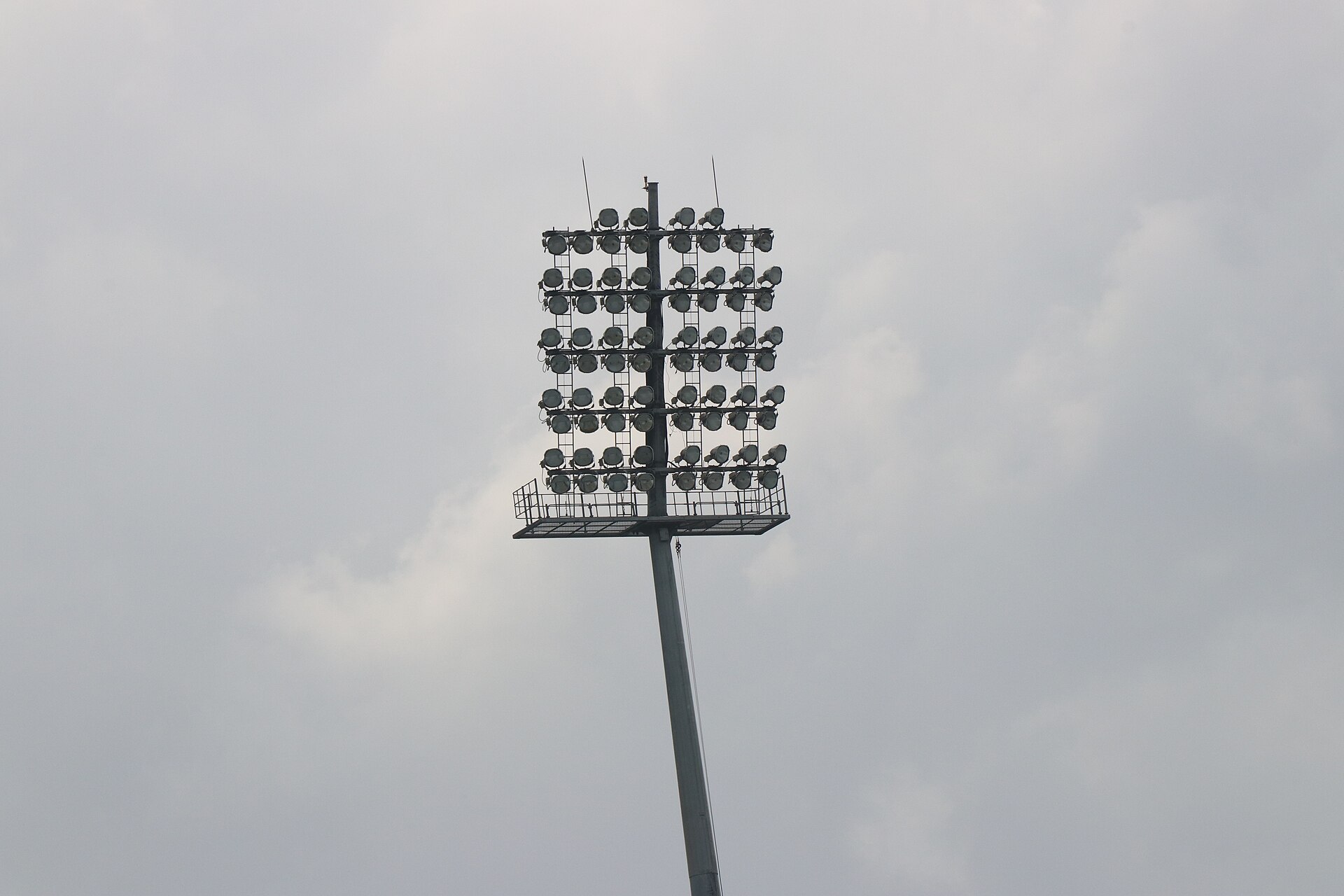
The umpires decide when the light is unfit for play. Bad light is not the scorer's call, and it is not the captains'. The umpires confirm the stoppage and the restart.
What the scorer records
- The time play stopped and the score and wickets at that moment.
- The time play resumed and the overs remaining.
- Any change to the target or the overs, as the umpires announce.
Overs lost
Count the overs that were not bowled. The overs lost may decide whether the match can produce a result, and in DLS matches they change the target. The scorer keeps the exact count.
Common mistakes
- Finishing the over after the umpires stopped play.
- Changing the target before the umpires confirm the overs.
- Not recording the restart time, so the overs lost cannot be counted.
Citations
MCC Laws of Cricket, the section on the interruption of play.
Match questions
Questions scorers actually ask
- 01 Who decides when play stops for bad light?
- The umpires. The scorer records the time and the overs at the stoppage.
- 02 Are overs lost counted for the match result?
- Yes, where the playing conditions use DLS or a minimum-overs rule. The scorer keeps the exact count.
- 03 Does an incomplete over count?
- Only the balls bowled count, and the over is not finished until the umpires restart play. Record the balls as they were bowled.