What counts as a catch
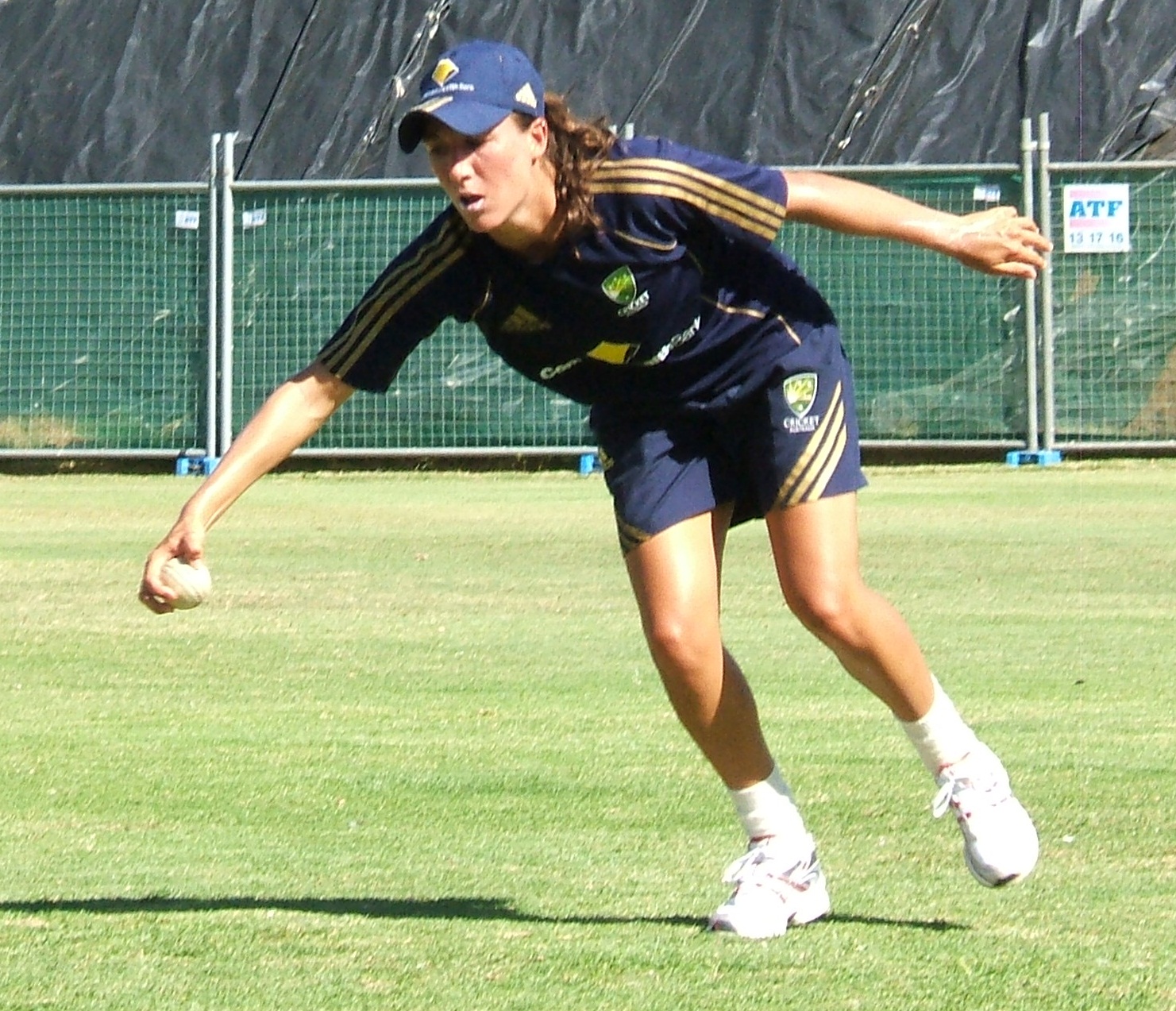
The fielder must catch the ball fully and under control. A catch is not complete if the fielder loses control when the ball hits the ground, or if the ball touches the ground first. A ball that bounces before the catch is not a catch.
Caught and bowled
If the bowler takes the catch off their own delivery, the mode is "c and b". The book writes the bowler's name on both sides of the dismissal. The batter's innings ends and the bowler gets the wicket.
What the scorer records
- c [fielder] for a catch by a fielder other than the bowler.
- c and b [bowler] when the bowler takes the catch.
- The name of the fielder who took the catch, so the fielding stats are right.
Catches on a no-ball or a wide
A no-ball can be caught, because a catch does not depend on the no-ball itself. A wide cannot be given out bowled, but a catch off a wide is a catch only where the Laws allow it. Check the playing conditions for the format.
Common mistakes
- Crediting the wicket-keeper with a catch that bounced first.
- Writing "c and b" when a fielder took the catch off the bowler's delivery.
- Forgetting to note the fielder's name, which breaks the fielding record.
Citations
MCC Laws of Cricket, the section on the catch.
Match questions
Questions scorers actually ask
- 01 Does a catch on the bounce count?
- No. The fielder must catch the ball before it touches the ground.
- 02 What is a caught and bowled?
- A catch taken by the bowler off their own delivery. Write it as c and b, with the bowler’s name.
- 03 Can a batter be caught off a no-ball?
- Yes, in most formats. A no-ball does not stop a catch from counting, but check the playing conditions for your competition.