What the umpire is judging
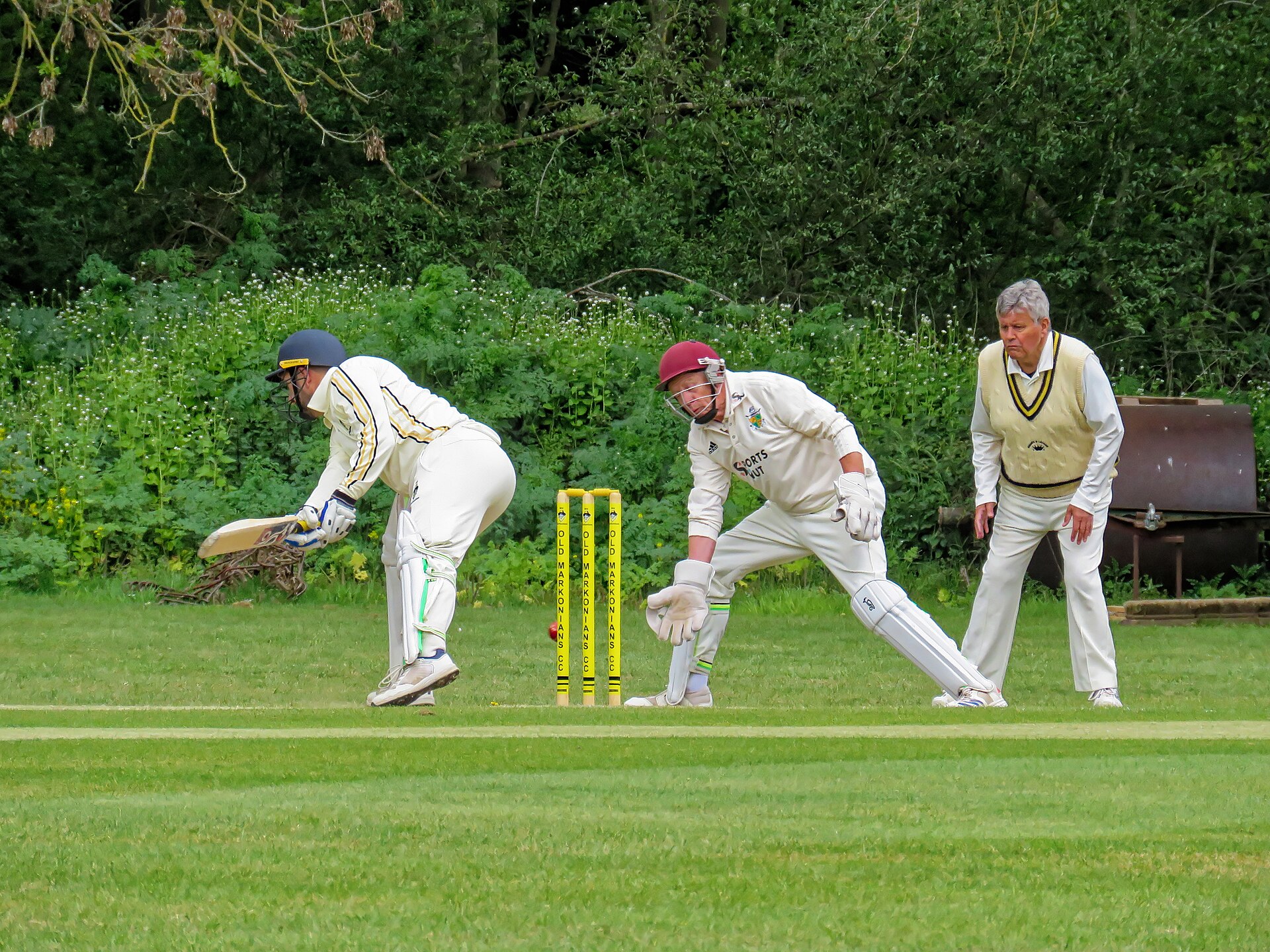
An LBW decision is a judgement that the ball, if it had not struck the batter's pad or body, would have hit the stumps. Several conditions have to hold together: the ball must pitch in line with the stumps or on the off side of the batter for a leg-side ball, the impact must be in line, and the ball must be going on to hit the stumps.
What the scorer records
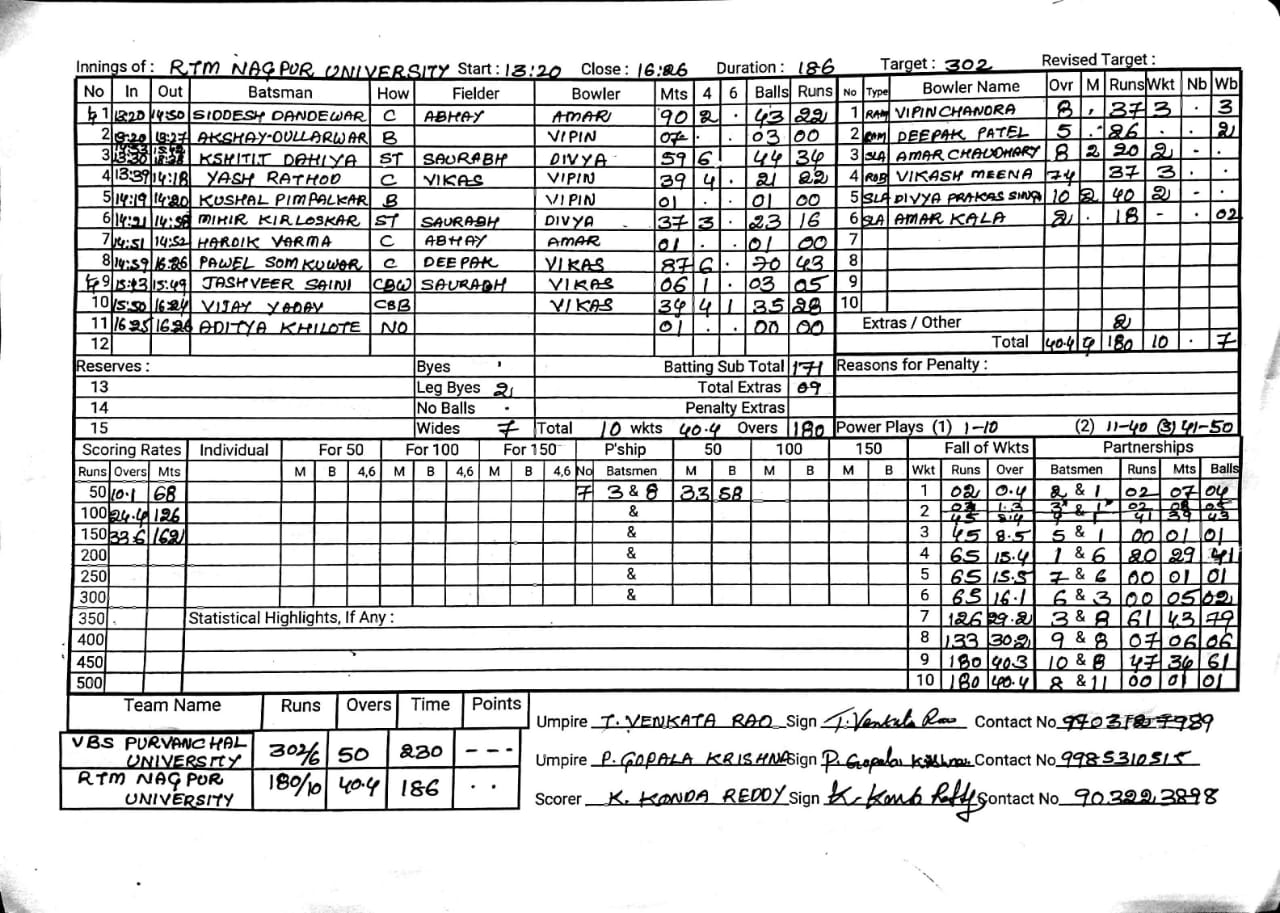
- W (lbw) when the umpire gives the batter out lbw.
- The bowler's name against the wicket.
- Nothing extra for the appeal itself. The number of appeals is not a scoring event.
What the scorer does not do
Do not decide whether the ball would have hit. Do not change a decision because the replay looks different. If the umpire's decision is challenged through a review system, record the final decision the umpires announce.
Common mistakes
- Writing "lbw" for a catch that was taken on the bounce.
- Recording a dismissal before the umpire's finger goes up.
- Forgetting that an LBW off a no-ball cannot be given. The batter stays in, and the no-ball is recorded as an extra.
When a review changes the decision
Record the decision after the review. The book should show the outcome and, if your league records it, that a review was used.
Citations
MCC Laws of Cricket, the section on leg before wicket.
Match questions
Questions scorers actually ask
- 01 Can a batter be out LBW off a no-ball?
- No. A no-ball cannot be given out LBW, bowled or stumped. The batter stays in, and the no-ball is an extra.
- 02 Does the scorer decide LBW?
- No. The umpire decides. The scorer records the decision the umpire gives.
- 03 Is LBW a bowled dismissal?
- No. It is a separate mode. Scorecards list it as lbw, and the bowler still gets the wicket.