What a powerplay is
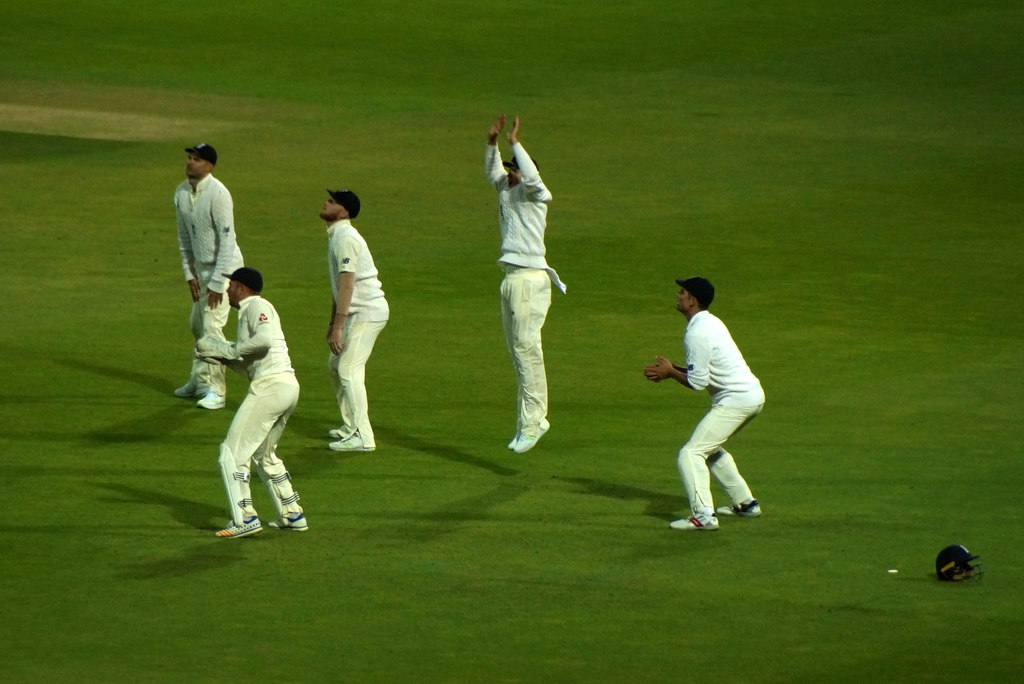
A powerplay sets how many fielders can stand outside the fielding circle during a set number of overs. The restriction is set by the playing conditions, not by the scorer, so the first job is to read them.
Common forms
- T20: a fixed block at the start of the innings, usually the first six overs.
- 50-over cricket: mandatory powerplays at set overs, and sometimes a batting powerplay chosen by the batting side.
- Club cricket: often no powerplay at all, or a single block agreed before the match.
What the scorer records
- The over number when the powerplay starts and ends.
- Whether a batting powerplay was taken, and when.
- Any change to the restriction the umpires have announced.
Mark the start and end in the book. If a captain claims the restriction was extended, you need the over number, not a recollection of the match.
What the scorer does not do
Do not decide whether a fielder was inside the circle. That is the umpire's call. Your job is to record the over and the restriction the umpires state.
Why it matters for the score
A powerplay changes the scoring rate, the wickets, and the bowling plans. A batting side that uses the powerplay well often scores heavily in those overs, and the book is the only record of when those overs happened.
Citations
Playing conditions for the competition, which set the powerplay. The MCC Laws cover fielding positions and the circle.
Match questions
Questions scorers actually ask
- 01 Who decides when a powerplay ends?
- The playing conditions set the overs. The umpires confirm them on the day. The scorer records what is announced.
- 02 Can a batting side choose its own powerplay?
- Only where the playing conditions allow it. Check the rules for your format before the match.
- 03 Does the powerplay change the free hit?
- No. They are separate rules. A powerplay affects fielders; a free hit affects how the batter can be dismissed after a no-ball.